- 112
Interior Design Brunei: Designing Iconic Hospitality Experiences
In Brunei, hospitality is rooted in warmth, generosity, and a quiet sense of refinement. It is not loud or extravagant—it is thoughtful, respectful, and deeply human. Today, as the hospitality sector evolves, hotels are no longer just places to stay; they are becoming immersive environments that shape how guests feel, remember, and return.Interior Design Brunei
As designers dedicated to crafting emotional, people-centric spaces, we believe that exceptional Interior Design Brunei is about more than aesthetics. It is about designing experiences—pengalaman yang bermakna—that connect people to place, culture, and comfort.
Understanding Brunei’s Hospitality Landscape
Brunei’s hospitality market is unique. While smaller in scale compared to regional hubs, it offers a distinct blend of business travel, government-related visits, and leisure tourism centered around culture, nature, and tranquility.
Key areas such as Bandar Seri Begawan, Gadong, and Jerudong serve as focal points for hotels, ranging from business accommodations to upscale resorts.
Several factors influence hotel design in Brunei:
- Steady business travel demand, requiring efficient and comfortable hotel environments
- Emerging tourism sector, with guests seeking authentic cultural experiences
- Lower-density competition, where quality and differentiation matter more than quantity
- Tropical climate, shaping ventilation, material choices, and spatial openness
- Strong cultural identity, emphasizing modesty, comfort, and respect for local traditions
In Brunei, hospitality is about feeling welcomed—rasa dialu-alukan—a subtle but powerful emotional connection that design must support.
Beyond Aesthetics: The Foundation of Iconic Hotel Design
Creating a memorable hotel begins with a clear and compelling concept. Design must translate a brand’s identity into a spatial experience that resonates with guests from the moment they arrive.
This requires aligning:
- Brand storytelling
- Guest expectations
- Local cultural context
In Interior Design Brunei, this often means blending contemporary elegance with subtle local influences—never overpowering, always balanced.
Designing the Guest Journey
A hotel is experienced as a journey, not just a collection of spaces. Every touchpoint—from arrival to departure—must be carefully considered.
Arrival & Entrance Experience
First impressions matter. A well-designed entrance creates a sense of anticipation and welcome.
Lobby & Reception Flow
The lobby sets the emotional tone. In Brunei, this often leans toward calm, spacious, and refined environments—tenang dan selesa (calm and comfortable).
Efficient reception design ensures:
- Smooth check-in experiences
- Clear circulation
- Minimal waiting stress
Guest Rooms: Personal Retreats
Guest rooms must balance luxury with comfort. Soft lighting, ergonomic furniture, and tactile materials create a restful environment that feels like a home away from home.
Dining & Social Spaces
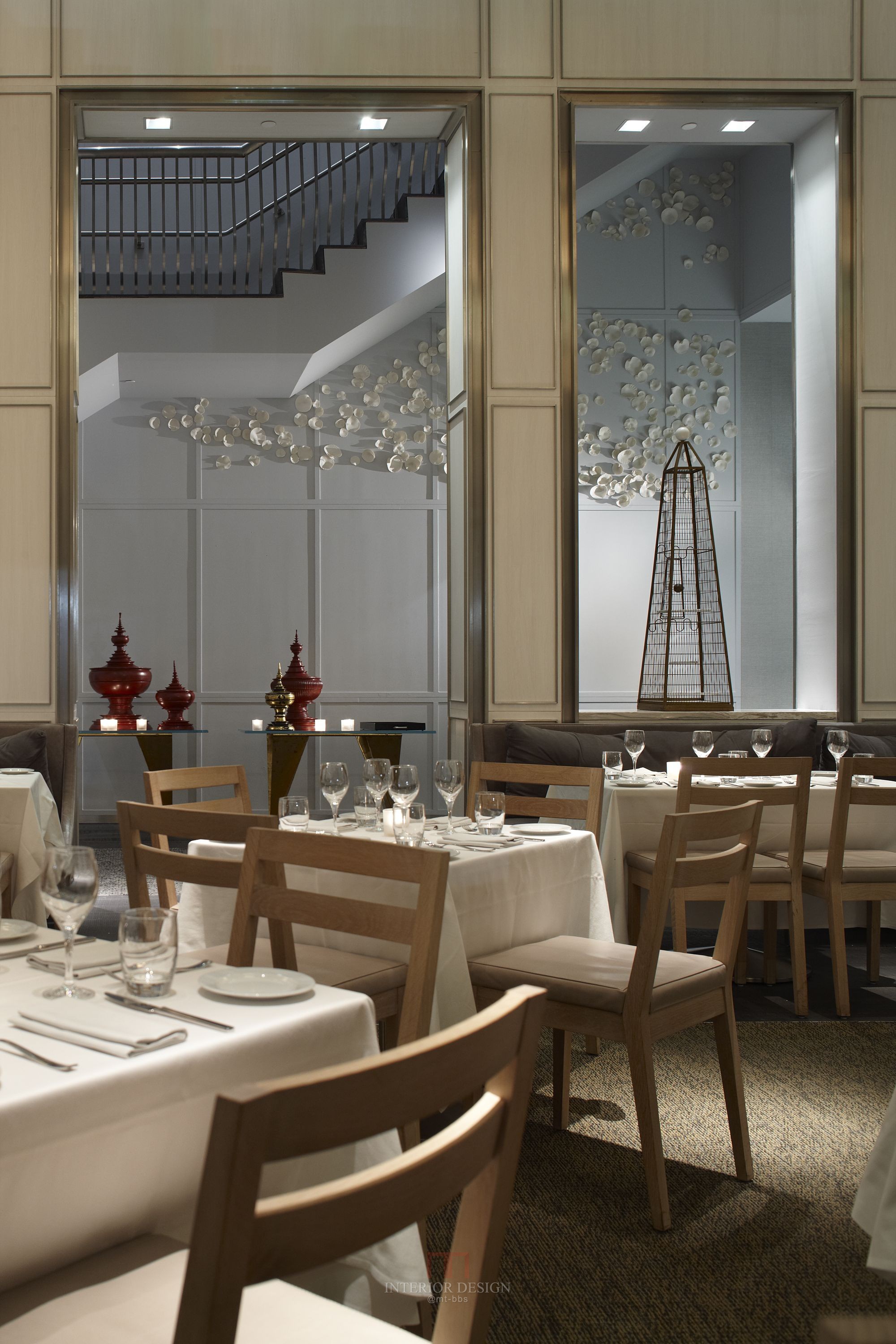
Restaurants and lounges are where guests connect. These spaces must feel inviting, culturally relevant, and adaptable to different moods throughout the day.
Wellness & Relaxation Areas
Spa, gym, and relaxation zones are increasingly important, offering guests a holistic experience beyond accommodation.
Spatial Planning, Flow & Functionality
Behind every seamless guest experience is careful planning.
Zoning Strategy
Separating public, semi-private, and private areas ensures clarity and comfort.
Circulation Flow
Guests and staff should move effortlessly through the space—tidak terasa rumit—without confusion or congestion.
Operational Efficiency
Back-of-house areas must support staff workflow, ensuring service is smooth and discreet.
When done well, guests may never notice these elements—but they will feel the difference.
Designing Atmosphere Through Sensory Experience
True hospitality design engages all the senses.
Lighting Strategy
Layered lighting creates mood and depth, transitioning from bright and welcoming during the day to soft and intimate in the evening.
Material & Texture
In Brunei, materials often lean toward:
- Natural woods
- Soft textiles
- Subtle stone finishes
These create warmth and a sense of grounded luxury.
Acoustic Comfort
Controlling noise levels is essential for maintaining a peaceful environment, especially in shared spaces.
Furniture Ergonomics
Comfort is key. Every chair, bed, and lounge piece must support relaxation and usability.
Together, these elements create spaces that feel intuitive, comfortable, and emotionally engaging.
Creating Iconic, Memorable Moments
What makes a hotel truly stand out are the moments guests remember—and share.
Signature design elements may include:
- A sculptural feature wall
- A dramatic lighting installation
- A serene courtyard or water feature
- A visually striking lounge or bar
These focal points create identity and encourage organic sharing—turning guests into storytellers for the brand.
Balancing Creativity with Practicality
While creativity defines the experience, practicality ensures long-term success.
Design must consider:
- Durability of materials in high-use areas
- Ease of maintenance
- Efficient staff workflow
- Sustainability and energy use
In Brunei’s climate, this also means designing for humidity, heat, and long-term material performance.
Technology & the Modern Guest Experience
Today’s travelers expect seamless integration between physical and digital experiences.
Modern hotel design incorporates:
- Smart room controls
- Digital check-in systems
- Integrated workspaces for business travelers
- Flexible spaces that adapt to changing needs
These elements enhance convenience while maintaining the warmth of human-centered design.
Embedding Culture & Local Identity
A hotel should feel connected to its location—not generic.
In Interior Design Brunei, this means:
- Subtle incorporation of local patterns or craftsmanship
- Respect for cultural values and spatial norms
- Creating a sense of place that guests can feel
Authenticity creates deeper emotional connections and more meaningful experiences.
From Design to Business Impact
Thoughtful hotel design delivers measurable results:
- Higher guest satisfaction through comfort and experience
- Stronger brand positioning in a competitive market
- Increased occupancy rates driven by reputation and visibility
- Long-term value creation through durable, efficient design
Design is not just an investment in aesthetics—it is an investment in performance.
Our Firm: Designing Hospitality Experiences with Purpose
At our firm, we approach every project as a complete journey. From concept development and storytelling to spatial planning, visualization, and construction coordination, we deliver end-to-end solutions that bring vision to life.
Our expertise in Interior Design Brunei allows us to create hotels that are:
- Emotionally engaging
- Operationally efficient
- Culturally responsive
- Timeless in appeal
Shaping the Future of Hospitality in Brunei
As Brunei’s hospitality sector continues to grow, the opportunity lies in creating hotels that are not just functional—but unforgettable.
Spaces that welcome.
Spaces that comfort.
Spaces that stay in memory—tempat yang dirindui—a place guests long to return to.
Because truly iconic hospitality design is not about how a hotel looks.
It is about how it makes people feel.
And that is where meaningful design begins.
Connect with us in


