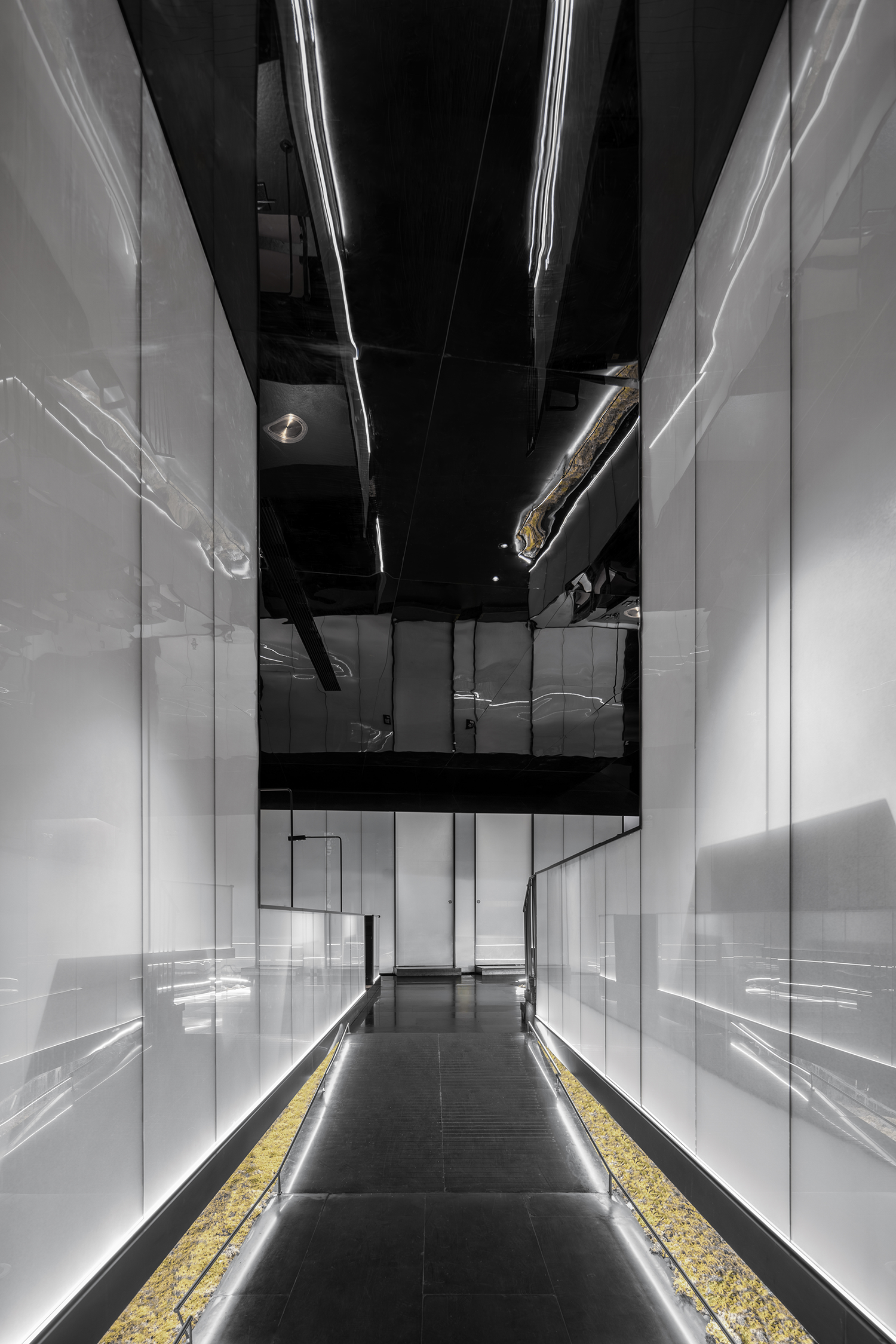
Office Interior Design Brunei — Why Offices Are No Longer Designed the Same Way
For decades, offices were designed around control, hierarchy, and efficiency. Brunei Interior Design
Today, especially in a stable yet evolving market like Brunei, offices are being redesigned around something far more complex: people, performance, and long-term resilience.
Understanding why offices look and function differently today requires us to step back and trace how workplaces have evolved — from the early industrial era to the AI-driven, flexible environments shaping 2026 and beyond.
As a workplace-focused interior designer, I see office design not as a trend exercise, but as a reflection of how society works, thinks, and lives.
From Industrial Control to Corporate Order
Early offices mirrored factories.
Rows of desks, rigid supervision, and clear hierarchy defined the space. Productivity meant visibility.
Kemudian, era korporat moden memperkenalkan bilik pejabat tertutup dan sistem cubicle. Privacy meningkat, tetapi kolaborasi menurun. In Brunei, many government-linked and corporate offices adopted this model for decades — structured, formal, and respectful of authority.
At the time, this made sense. Work was linear. Technology was limited. Decision-making was centralized.
The Open-Plan Experiment — And Its Limits
The global shift toward open-plan offices promised collaboration, transparency, and creativity.
Many organisations across Asia adopted it quickly.
Namun realitinya tidak semudah itu.
In Brunei’s work culture — which values focus, harmony, and respect — fully open offices often created:
-
Noise fatigue
-
Lack of confidentiality
-
Reduced concentration
What was meant to boost teamwork sometimes reduced productivity. Employees adapted, but the space didn’t truly support how they worked.
Hybrid Work Changed Everything
The pandemic accelerated a truth already forming:
work is no longer tied to a desk.
Hybrid work introduced flexibility, but also uncertainty. Offices were no longer full five days a week. Leaders began asking harder questions:
-
Why come to the office at all?
-
What can the office do that home cannot?
Di Brunei, where commuting patterns, family structures, and work-life balance are closely connected, this shift was especially significant.
Offices had to earn their relevance again.
2026: The AI-Shaped Workplace
Today, offices are being designed for an era defined by:
-
AI-assisted workflows
-
Data-driven decision making
-
Talent competition
-
Economic uncertainty
This means the office is no longer a container for work, but a platform for performance.
Modern Office interior Design Brunei now focuses on:
-
Activity-based work settings
-
Flexible infrastructure
-
Integrated technology
-
Human-centric spatial planning
Ruang kerja mesti adaptif, bukan statik.
Designing for People, Not Just Positions
One of the biggest shifts in office design is moving away from job titles toward work behaviours.
In Brunei’s offices today — from Bandar Seri Begawan’s commercial districts to emerging mixed-use developments — teams are multi-generational:
-
Senior leadership
-
Millennials
-
Gen Z entering the workforce
Gen Z, in particular, values purpose, wellbeing, and choice. They expect spaces that support:
-
Focus and autonomy
-
Collaboration without pressure
-
Mental and physical comfort
Good design acknowledges these needs quietly, without overstatement.
Data, Not Assumptions, Drives Design
Offices are no longer planned based on assumptions.
They are planned using data:
-
Occupancy studies
-
Workflow mapping
-
Departmental interaction analysis
This allows spaces to be right-sized and future-ready.
Sebagai contoh, instead of oversupplying meeting rooms, we design a mix of:
-
Quiet focus rooms
-
Informal collaboration zones
-
Secure discussion spaces
Each space has a purpose. Each square meter works harder.
Local Context Matters
International standards are important — but they must be grounded locally.
In Brunei, office design must respond to:
-
Tropical climate and humidity
-
Conservative yet evolving business culture
-
Regulatory frameworks
-
Preference for calm, respectful environments
Materials, lighting, and acoustic strategies must support comfort without excess.
Kesederhanaan yang berkualiti lebih dihargai daripada kemewahan yang berlebihan.
Integrated Design & Build: Reducing Risk
One reason office projects struggle is fragmented responsibility.
Our firm operates as an integrated workplace partner:
-
Workplace strategy
-
Concept and spatial design
-
Technical coordination
-
Fit-out and turnkey delivery
This ensures alignment from vision to execution — especially important in a market where quality, reliability, and accountability are valued.
Choosing an experienced Office interior Design Brunei partner means fewer surprises and stronger outcomes.
The Office as Brand Experience
Today’s office is also a brand statement.
Clients, partners, and talent all read signals from a workplace:
-
Is it forward-looking?
-
Is it human?
-
Is it trustworthy?
Through materiality, layout, and spatial flow, offices communicate values without words.
It is subtle — but powerful.
Designing for What Comes Next
The most successful offices today are not designed for a single moment in time.
They are designed for change.
Flexibility, modularity, and adaptability ensure that spaces can evolve as teams, technology, and business models shift.
That is the mindset behind contemporary Office interior Design Brunei — not trend-driven, but future-ready.
A Thoughtful Partner for the Long Term
As a designer who works with emotional, people-centric environments, I believe offices deserve the same care as homes.
People think, decide, and grow inside these spaces.
At our firm, we help organisations translate global workplace insight into environments that feel right for Brunei — culturally, operationally, and emotionally.
Because when offices truly work for people, businesses work better too.
Connect with us in


