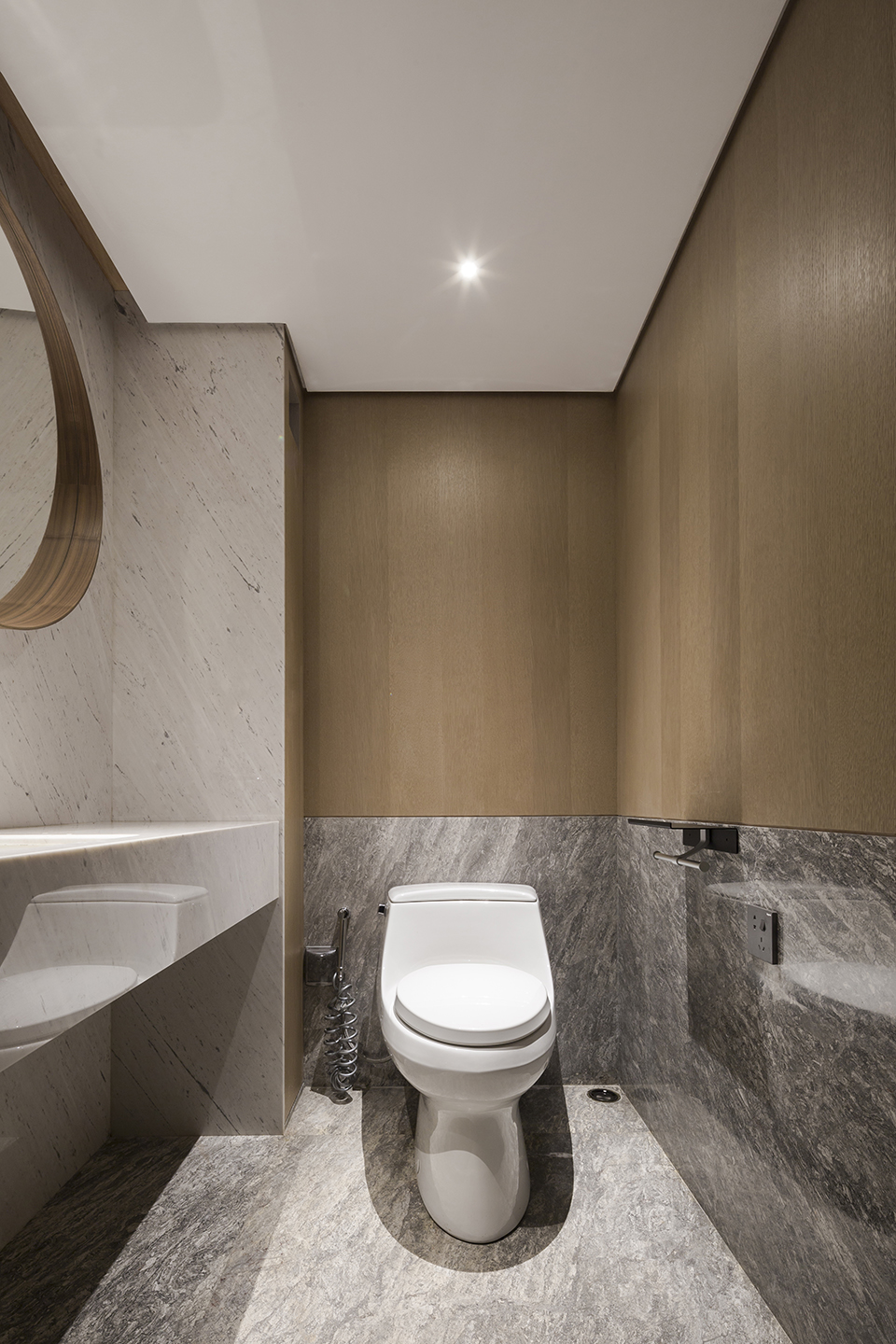
Interior Design Brunei: Setting a New Standard for Modern Workplaces
In Brunei, where tradition meets quiet economic transformation, the workplace is undergoing a subtle yet powerful evolution. Offices are no longer just places to work—they are becoming environments that nurture people, reflect identity, and support long-term business growth.Interior Design Brunei
As a designer deeply rooted in crafting emotional, people-centric spaces, I see Interior Design Brunei as an opportunity to redefine how workplaces feel, function, and inspire. Much like designing a villa or bungalow, the office must now offer comfort, flow, and a sense of belonging—“rasa nyaman”—while performing at a high level.
Understanding Brunei’s Workplace and Business Environment
Brunei’s business landscape is shaped by government institutions, oil and gas industries, and a growing push toward diversification—particularly in sectors like finance, tourism, and SMEs. Key areas such as Bandar Seri Begawan and Gadong are seeing gradual shifts toward more contemporary office environments.
Workplace culture here is measured and relationship-driven. There is a strong emphasis on respect, hierarchy, and stability, yet younger professionals are beginning to expect more flexible, engaging, and modern work settings.
Office density is generally lower compared to major metropolitan cities, which creates a unique opportunity: instead of maximizing space, the focus shifts toward enhancing quality of experience. Hybrid work models and flexible arrangements are slowly gaining traction, especially among forward-thinking organizations.
Beyond Layouts: Workplace Strategy as the New Foundation
The modern office is no longer defined by rows of desks and enclosed rooms. Today, workplace strategy becomes the starting point—aligning spatial design with how people actually work.
In Interior Design Brunei, we begin by asking deeper questions:
-
How do teams collaborate?
-
Where do individuals need focus and privacy?
-
What kind of environment reflects the company’s values?
From these insights, we create spaces that are fluid, intuitive, and human-centered.
Key Workplace Strategies Include:
-
Activity-Based Working (ABW): Allowing employees to choose spaces based on their tasks—whether for focus, collaboration, or relaxation.
-
Flexible Zoning: Creating a balance between open areas and quiet zones to support different work modes.
-
Collaborative Hubs: Encouraging interaction and idea-sharing in comfortable, informal settings.
-
Focus Pods: Providing privacy for deep work or confidential discussions.
-
Social Spaces: Designing lounges and pantry areas that foster connection—“tempat berkumpul”.
-
Wellness-Driven Design: Integrating natural light, greenery, and calming materials to support wellbeing.
These strategies ensure that the workplace becomes an ecosystem rather than a static environment.
Translating Strategy into Spatial Design
A strong concept must be supported by thoughtful execution. Every design decision—from layout to materials—contributes to how a space performs.
Space Planning & Circulation
Efficient layouts ensure smooth movement throughout the office, minimizing disruptions and improving workflow. Clear circulation paths create a sense of openness and ease.
Ergonomics & Comfort
Just as in residential design, comfort is key. Adjustable furniture, proper desk heights, and supportive seating enhance both physical wellbeing and productivity.
Lighting Strategy
In Brunei’s tropical climate, natural light is abundant. Harnessing daylight while controlling glare creates a balanced, energy-efficient environment. Layered artificial lighting adds warmth and functionality.
Acoustic Performance
Managing sound is essential, especially in open-plan offices. Soft materials, partitions, and acoustic panels help maintain a शांत (calm) atmosphere conducive to focus.
Material Selection
We often draw inspiration from local textures—timber, woven elements, and natural finishes—to create spaces that feel grounded and authentic. These materials not only reflect local identity but also bring warmth into the workplace.
Integrating Technology for Future-Ready Workplaces
Technology is quietly reshaping how offices operate. In Brunei, where digital transformation is steadily advancing, integrating smart systems into workplace design is becoming increasingly important.
Our firm incorporates:
-
Smart meeting rooms for seamless hybrid collaboration
-
Data-driven space planning to understand and optimize usage
-
Flexible infrastructure that adapts to changing needs
-
Digital connectivity solutions that support mobility and efficiency
These elements ensure that the office remains relevant, adaptable, and aligned with the future of work.
Tailoring Design for Different Office Typologies
Not all workplaces are created equal. Each type of organization requires a unique design approach:
Corporate Headquarters
These spaces emphasize structure, brand identity, and professionalism. The design reflects stability and leadership while integrating modern flexibility.
Co-Working Spaces
Designed for diversity and interaction, co-working environments prioritize adaptability, community, and shared experiences.
Startup Offices
Dynamic and energetic, these spaces encourage creativity, rapid collaboration, and experimentation.
Enterprise Environments
Larger organizations require scalable systems, efficient layouts, and clear zoning to support complex operations.
In Interior Design Brunei, understanding these distinctions allows us to create spaces that align with both operational needs and company culture.
Connecting Design to Business Outcomes
Design is not just an aesthetic investment—it is a strategic business tool. A well-designed office can deliver measurable results:
-
Improved Space Efficiency: Optimizing layouts ensures every square meter serves a purpose.
-
Enhanced Collaboration: Thoughtfully designed zones encourage teamwork and communication.
-
Stronger Brand Identity: The office becomes a physical expression of the company’s values.
-
Increased Employee Satisfaction: Comfortable, engaging environments improve morale and retention.
When employees feel connected to their environment—“rasa dihargai”—their performance naturally improves.
A New Standard for Modern Workplaces
Setting a new standard in office design means going beyond functionality. It requires creating spaces that are:
-
Adaptive: Able to evolve with changing work patterns
-
Human-Centered: Focused on comfort, wellbeing, and emotional connection
-
Culturally Responsive: Reflecting local identity and values
-
Performance-Driven: Supporting productivity and efficiency
In Brunei, this approach represents a shift toward more thoughtful, intentional workplace design—where every element contributes to a holistic experience.
Your Strategic Partner in Workplace Transformation
At our firm, we believe that great design is a journey. From initial concept to final execution, we guide our clients through every stage:
-
Workplace strategy and concept development
-
Detailed design and technical documentation
-
Construction coordination and project delivery
-
Final styling and spatial refinement
Through this end-to-end approach, we transform offices into environments that are not only visually compelling but also deeply functional and future-ready.
Redefining Work in Brunei
As Brunei continues to evolve, so too must its workplaces. Interior Design Brunei is about more than designing offices—it is about shaping the future of how people work, connect, and thrive.
By blending global insights with local sensitivity, our firm creates workplaces that feel as welcoming as a home, as efficient as a system, and as inspiring as a vision.
Because in the end, the best workplaces are not just designed—they are felt.
Connect with us in


